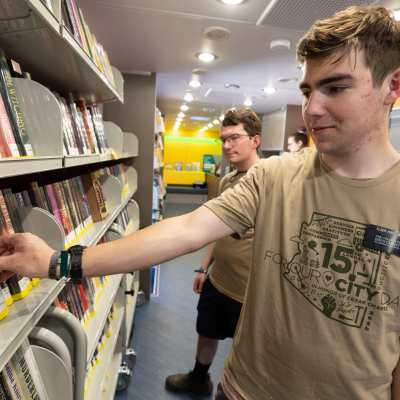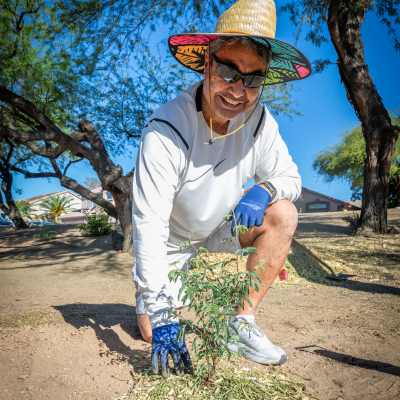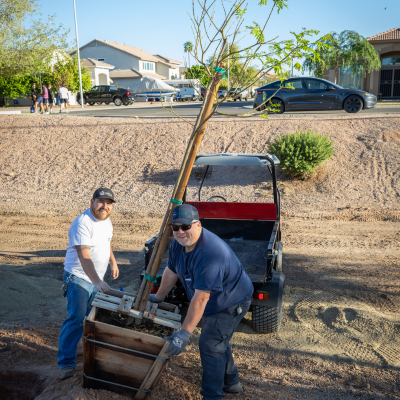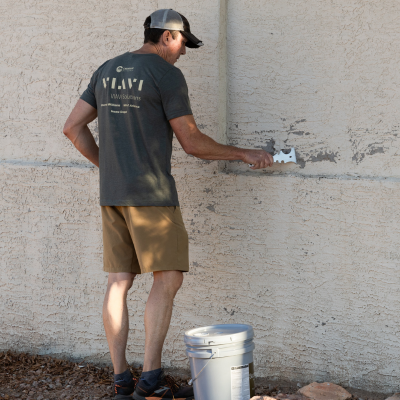
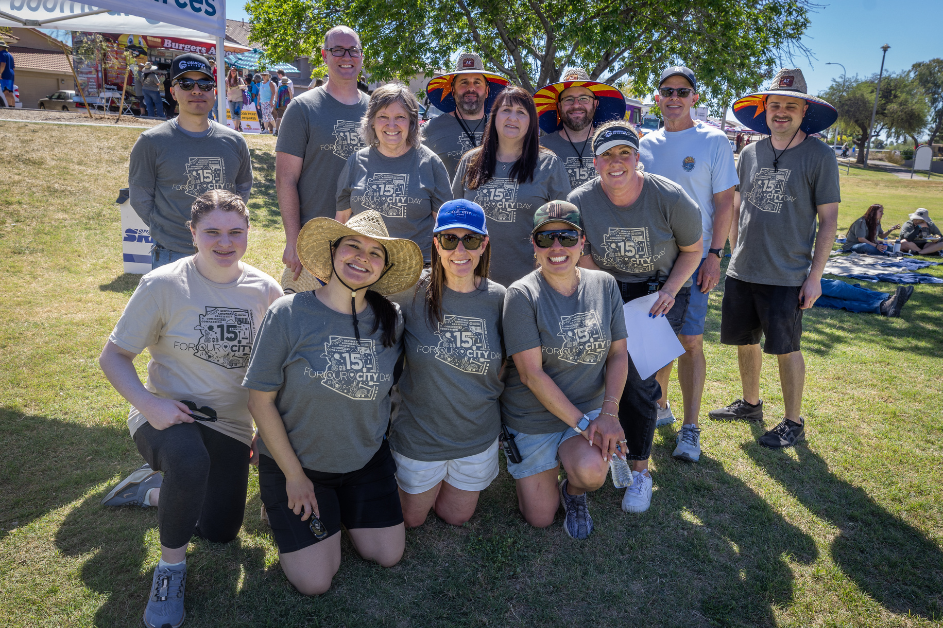
For 15 years, the City of Chandler has hosted “For Our City Day” which brings together community volunteers, local businesses and organizations to revitalize a single neighborhood, all in one morning.
This annual event is put on through the City of Chandler’s Neighborhood Programs Office and is designed to not only provide a non-HOA, or traditional, neighborhood with landscape and community revitalizations but also to connect residents with their own neighbors and the resources available to them through the city.
As Tawna Mower, one of the lead planners for the event and a neighborhood preservation analyst within the city’s Neighborhood Programs Office says, “Our job and our goal is never to go into a neighborhood and decide… we're going to do this and this and this, or we think you need this. It's always about getting the information out to the residents and then receiving it back.”
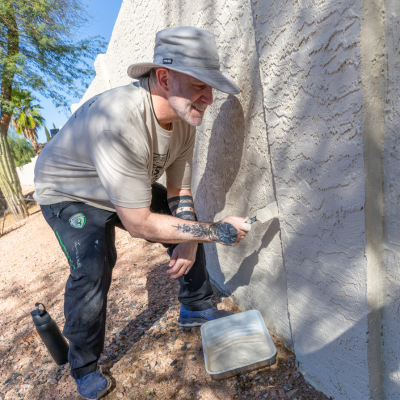
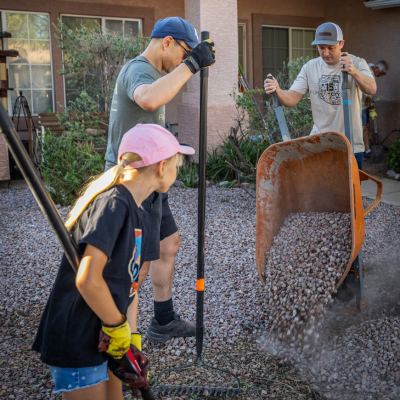
The projects then vary every year to adjust to the needs of the neighborhood. This year’s event had more than 30 different projects, one of which included painting a thorough way throughout the entire neighborhood.
“This year, we have a community wall that is nearly 11,000 feet long,” Mower recalls.
“And a lot of the feedback we received was community wall, community wall, community wall. So that reiterates to us a big ask for them. Once those projects are all determined, we would start the actual planning process.”
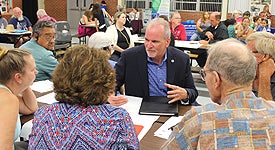
A planning committee made up of city staff, community representatives, neighbors and residents come together to share updates and organize volunteer groups in the weeks leading up to the event.
“As we are organizing, we start having the planning committee meetings. We definitely, right from the beginning, try to procure people who are willing to be what we call project leaders,” Mower explains.
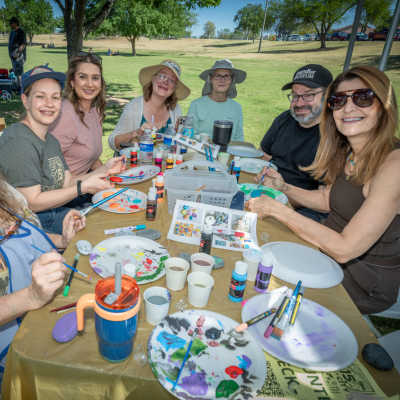
Once the actual event day rolls around, the volunteers and city staff descend onto the neighborhood ready for hard work on an early March morning. This year’s event had an estimated $97,000 in volunteer value with 1,100 homes impacted by the projects.
“The most key long-term impact that we could hope for, and that we do see time and time again would be not just the resident appreciation, but most importantly, for the residents to be empowered to understand what their city resources are,” Mower says.
"They understand who they can reach out to, even if they reach out to the incorrect department the first time — they know we're going to get them to the right department and find the answers for them… They know there are tools available to them. We will even come out and help them organize a neighborhood meeting if there are issues they feel like, as a neighborhood, they need to talk about and work through."
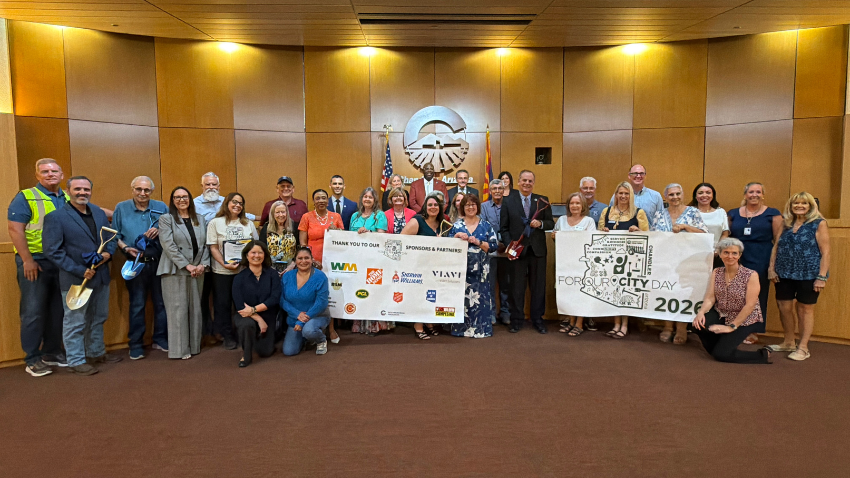
When reflecting on her years of service with the city and what this event truly means, Mower explained that often, residents will not believe that the city and its partners want to come and revitalize their neighborhoods for free.
“So, it kind of helps restore a little bit of that, something we all forget about, the faith in humanity and kindness and service,” Mower says. “It doesn't matter what your problems are, serving others will always help you feel better about whatever's going on in your life, and to be the recipient of that service is a feeling that a lot of us don't get often enough.”
“It perpetuates that person also wanting to pay it forward. It really has that Pay It Forward effect. And I think it just continues to be that gift that keeps on giving.”