




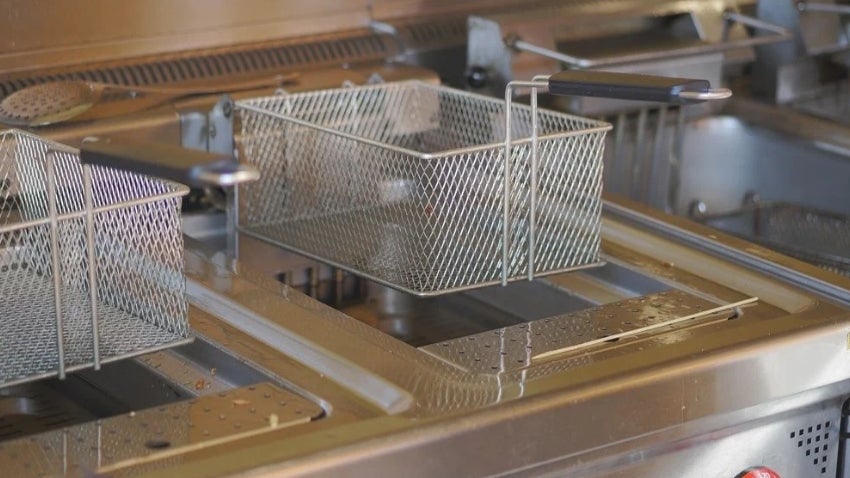
Fats, oils, grease (FOG), food waste and cleaning wastewater can pollute local waterways when they enter storm drains. Unlike wastewater from sinks and floor drains, stormwater is not treated before reaching washes, lakes and other waterways.
- Clean Equipment Indoors: Do not clean mats, equipment or containers in outdoor areas where wash water can flow to a storm drain.
- Store Used Cooking Oil Properly: Collect used cooking oil and grease in designated tallow bins or approved container.
- Clean Spills Immediately: Use absorbents or spill kits to clean grease and oil spills. Never wash spills away with water.
- Train Employees: Train staff on proper grease handling, spill response and stormwater pollution prevention practices.
Dumpster Area Best Practices
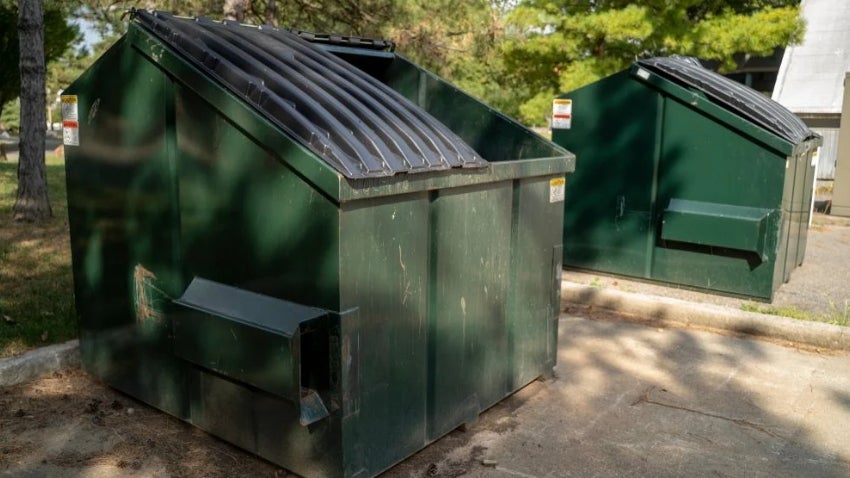
- Keep dumpster lids closed when not in use.
- Never pour grease, oil, or liquid waste into dumpsters.
- Store grease in designated tallow bins.
- Sweep dumpster areas regularly; do not hose down pavement.
- Repair or replace leaking dumpsters promptly.
- Keep outdoor storage and waste areas clean.
Spill Response
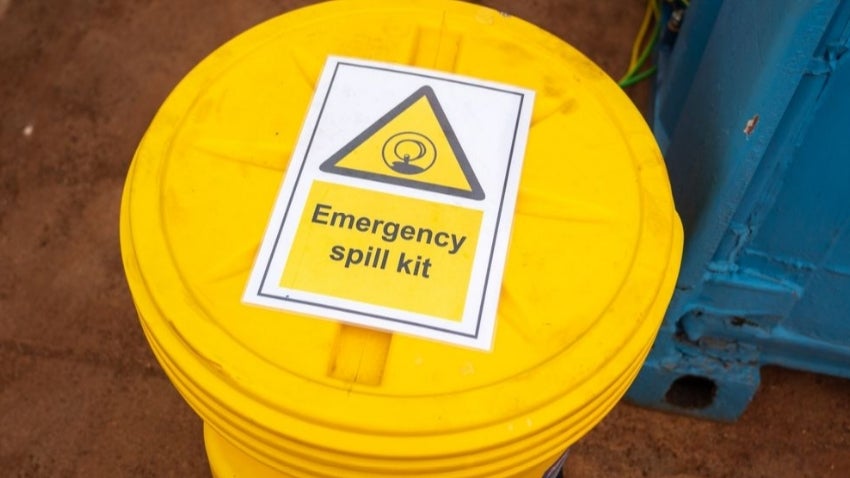
- Keep spill kits readily available.
- Contain spills before they reach a storm drain.
- Use dry cleanup methods such as absorbents, sweeping, or wiping.
- Never hose spills into the street, gutter or storm drain.
- Report spills that enter the storm drain system