





Healthy yards and landscapes play an important role in protecting our community’s water quality. However, common yard and garden activities can contribute to storm drain pollution when grass clippings, leaves, fertilizers, pesticides, soil, and other debris are left on streets, sidewalks, or driveways. During rainstorms or overwatering, these materials are carried into storm drains, which flow untreated into local retention basins, parks, washes, and groundwater systems.
Unlike wastewater from sinks and toilets, stormwater runoff is not treated before entering the environment. Excess fertilizers and pesticides can pollute waterways, while yard debris can clog storm drains and contribute to localized flooding. Simple practices such as sweeping yard waste back onto lawns, using fertilizers responsibly, and avoiding overwatering can help reduce pollution and protect our shared water resources.
Dust
Control
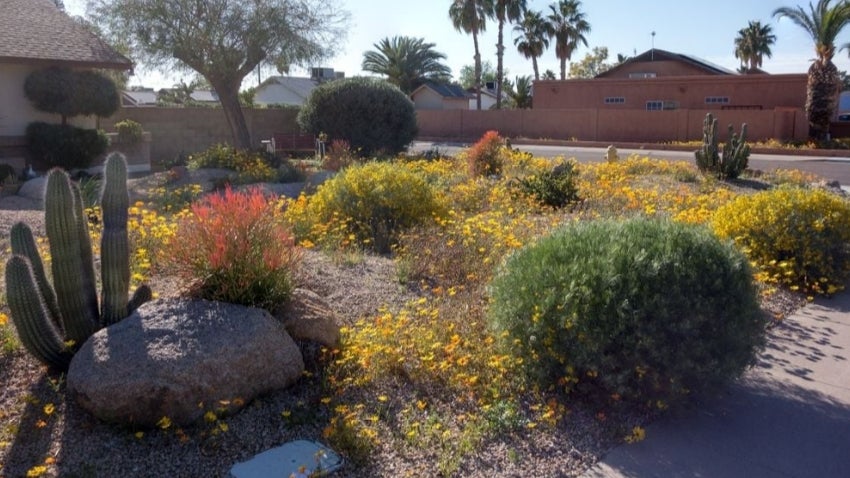
Dust and soil can be carried by wind and runoff into the storm drain system.
- Reduce dust by maintaining healthy ground cover.
- Water bare soil appropriately.
- Avoiding unnecessary use of leaf blowers.
- Mow when grass is healthy and conditions are not excessively dry.
Small actions can make a big difference in protecting air quality and water quality.
Irrigation
Runoff
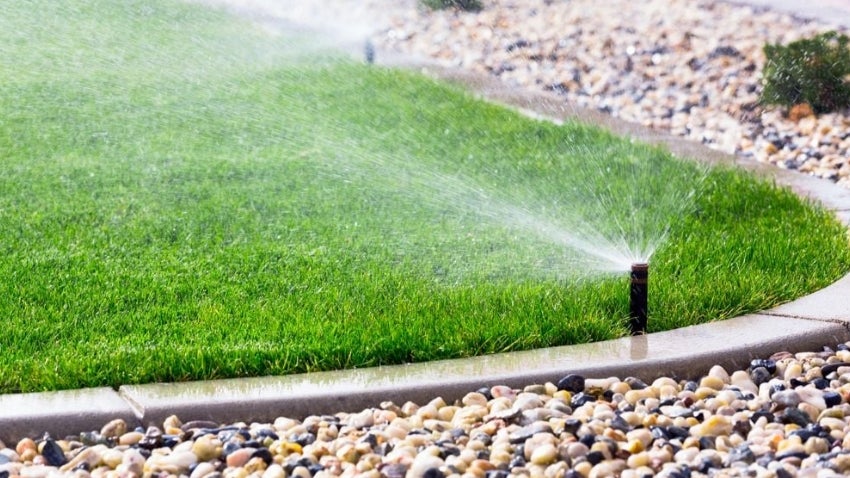
Overwatering can cause runoff that carries pollutants into streets and storm drains.
Tips for Success
- Water only as much as your landscape needs.
- Adjust irrigation schedules seasonally.
- Repair broken sprinkler heads and leaks promptly.
- Reduce watering times if runoff occurs.
Remember: storm drains are designed to collect runoff and help prevent flooding. Water that enters the storm drain system is generally not treated before reaching retention basins, greenbelt areas, parks and lakes within the community.
Lawn & Yard
Clippings
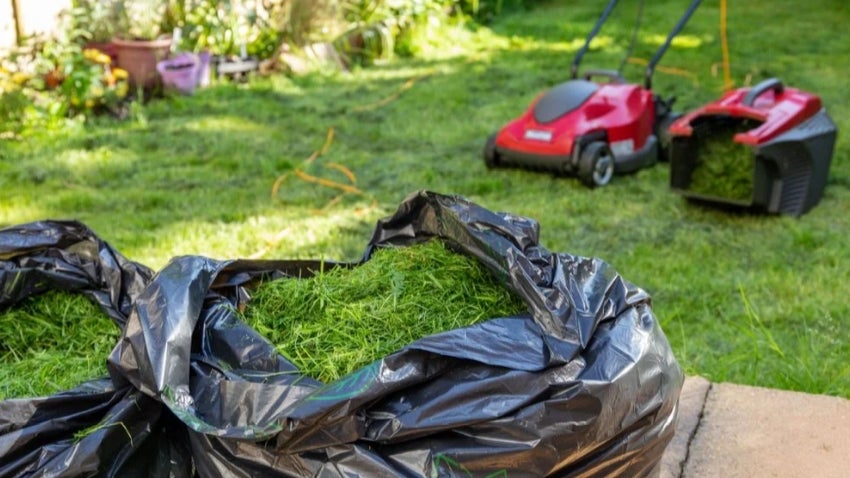
Lawn and yard clippings that remain in the yard can wash straight into the storm drain. While you may think this is harmless because its organic material; lawn clippings can build up and cause flooding. Not only that, they can also lower the oxygen in water systems which can kill off aquatic life.
What can you do?
- Bag and properly dispose of yard waste.
- Sweep clippings off sidewalks and streets.
- Consider composting yard debris. The City of Chandler offers composting assistance, including a free compost bin for residents who receive city-provided solid waste services.
Pesticides &
Fertilizer

Pesticides and fertilizers can be carried into storm drains during irrigation or storms.
Best Practices
- Read and follow label directions.
- Apply only the amount needed.
- Avoid applications before rain is expected.
- Sweep up spills immediately.
- Never hose pesticides or fertilizers into the street or storm drain.
Fertilizer can also contaminate the storm water. If fertilizer spills out on a hard surface, sweep the excess. Do not try to clean it up by spraying it. For both pesticides and fertilizer, avoid use before rain.