




While there are multiple sources of lead noted below, exposure to lead in drinking water may occur during service line pipe disturbance or replacement. Exposure to lead in drinking water can cause serious health effects in all age groups. Infants and children can have decreases in IQ and attention span. Lead exposure can lead to new learning and behavior problems or exacerbate existing learning and behavior problems. The children of women who are exposed to lead before or during pregnancy can have increased risk of these adverse health effects. Adults can have increased risks of heart disease, high blood pressure, kidney, or nervous system problems. Learn more about preventing childhood lead poisoning.
Sources of Lead
Lead can be found in the air, soil, water and inside the home. Most sources result from human activities. A few examples of sources of lead are:
- Cosmetics
- Food
- Lead on clothing or shoes carried from work areas or certain hobbies
- Lead-based paint
- Lead-contaminated dust or soil
- Pottery, pewter and brass fixtures
- Toys, playground equipment and children’s metal jewelry
Lead in Drinking Water
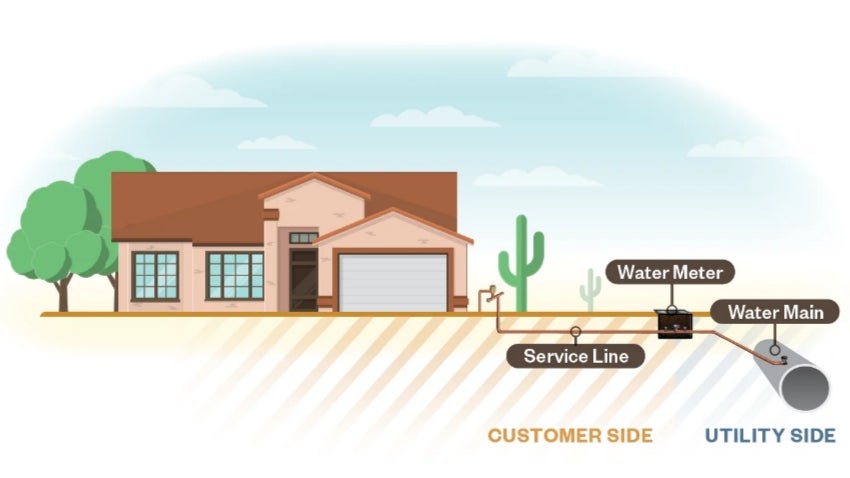
Lead pipes are more likely to be found in older cities and homes built before 1988. Lead is seldom found as a natural contaminant in drinking water or in Arizona’s water supplies, such as rivers and lakes; however, lead can enter the drinking water because of corrosion, or wearing away of materials containing lead in household plumbing. These materials include pipes made of lead or lead-based solder used to join copper pipe, brass and chrome-plated brass faucets.
Water service lines, which connect between the water meter box and the building or home, also could be made of lead. When present, lead service lines are typically the most significant source of lead in the water. Chandler does not have record of any publicly owned lead service lines and is currently evaluating private service line materials.
Lead Leaching Factors
When tap water stays in contact with plumbing and pipe materials for an extended amount of time, lead inside the piping has a greater opportunity to leach out into the drinking water. This means that the first water drawn from the tap after several hours of unuse (such as in the morning or later in the afternoon) can contain higher levels of lead.
Lead Reduction Tips
Lead has never been identified in a service line in Chandler, but the city is currently evaluating private service line materials. Chandler customers may opt to follow lead reduction steps, if concerned.
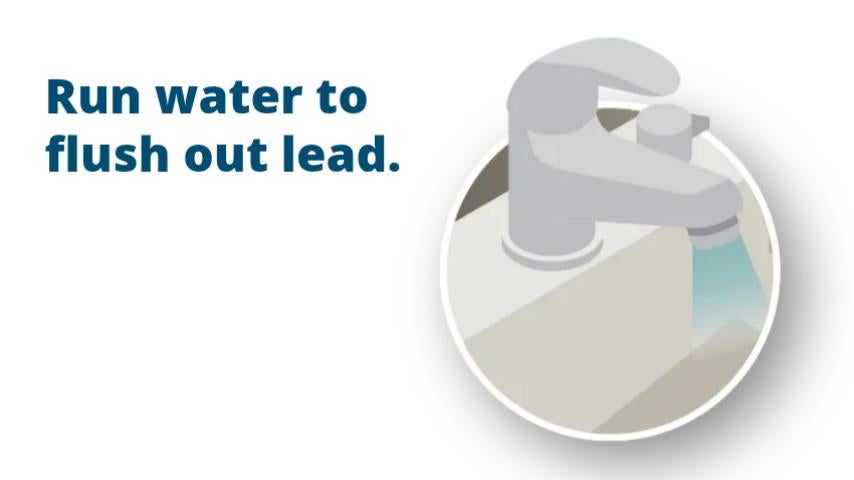
Run water to flush out lead
After the tap has been unused for several hours, flush the water before using it for drinking or cooking. The longer water resides in plumbing, the more lead it may contain. Before drinking, flush your home’s pipes by running the tap for 30 seconds to 2 minutes, taking a shower, doing laundry, or doing a load of dishes. To conserve water, capture and reuse the flushed water to irrigate a landscape plant or for cleaning.
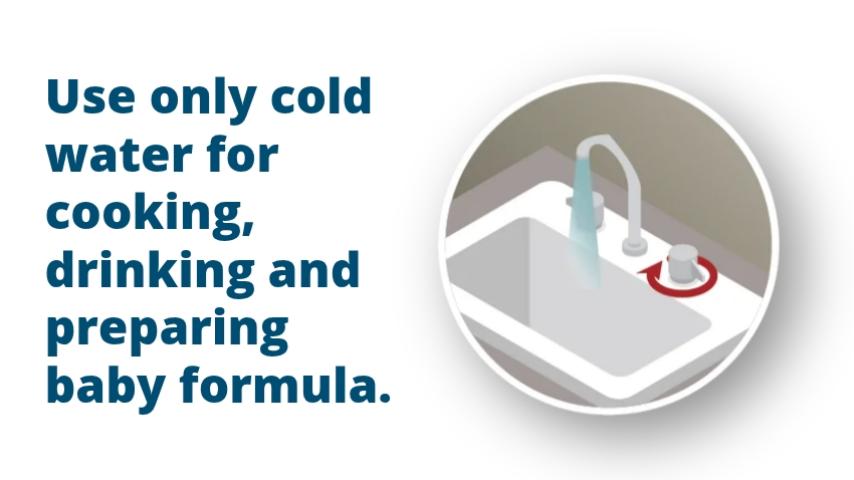
Use only cold water for cooking, drinking and preparing baby formula.
Do not cook with or drink water from the hot water tap. Hot water releases more lead from plumbing materials than cold water if lead is present in the piping or faucet materials. If hot water is needed, draw water from the cold tap and then heat it. Do not use hot water to prepare infant formula.

Use filtered water
Water that has been run through a filter certified as NSF 53 for lead removal and NSF 42 for particulate removal, for drinking and cooking. Maintain and replace filter device in accordance with the manufacturer’s instructions to protect water quality.
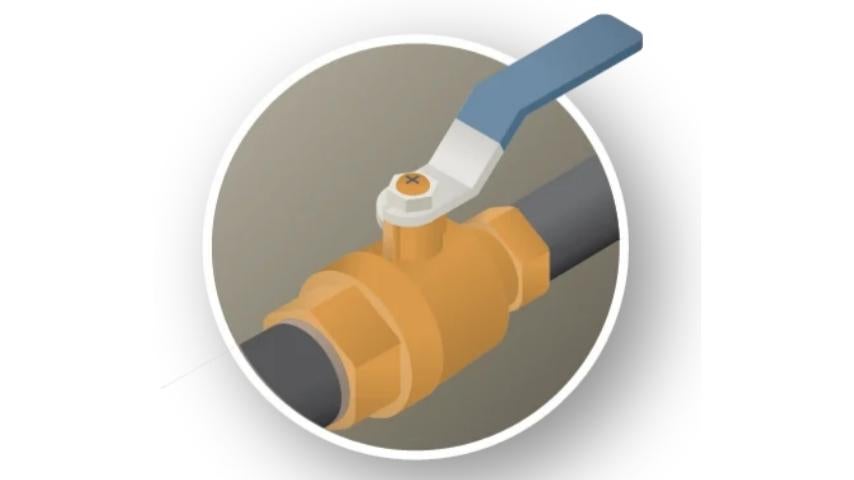
Identify and replace plumbing fixtures containing lead
Water that has been run through a filter certified as NSF 53 for lead removal and NSF 42 for particulate removal, for drinking and cooking. Maintain and replace filter device in accordance with the manufacturer’s instructions to protect water quality.
Test water for lead
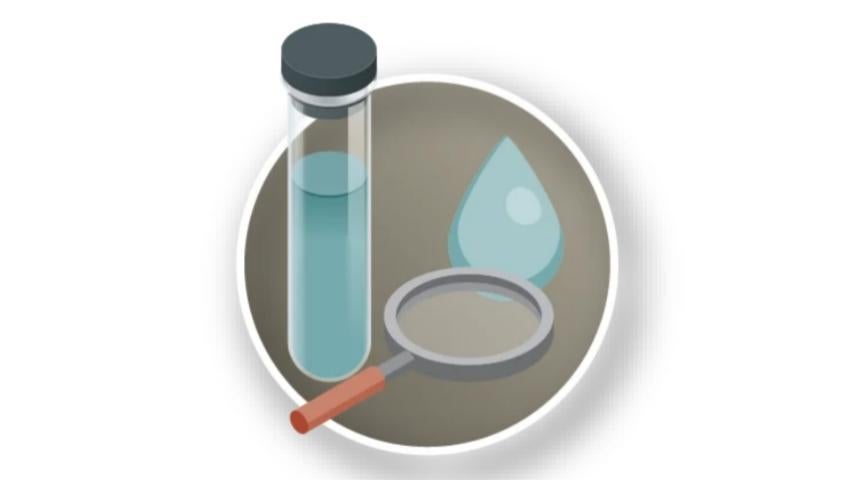
The Arizona Department of Health Services provides a list of certified laboratories for water testing. For assistance with locating the list, call 480-782-3671 or visit Service Line Inspection. If water tests show elevated lead levels, implement steps one through five. An elevated level of lead is considered any amount higher than zero for homes or facilities with infants, young children or pregnant women. Otherwise, elevated is considered 10 parts per billion (ppb) or more.
Clean aerators
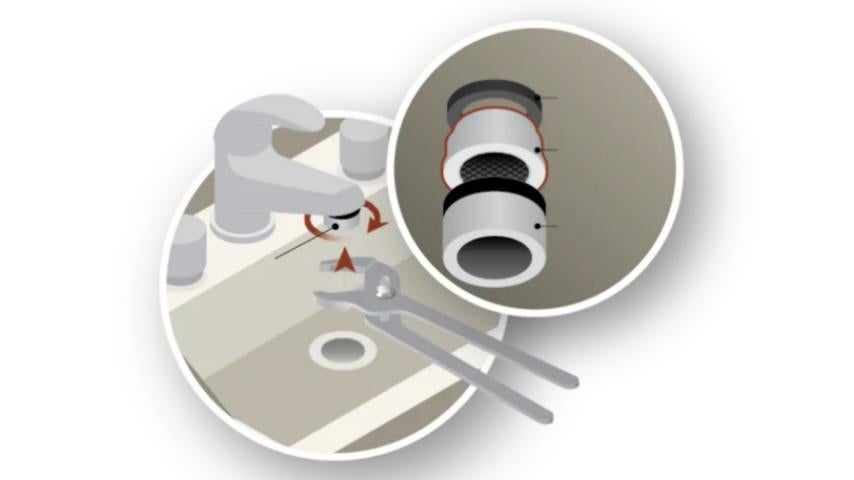
Aerators/screens should be cleaned periodically (once every three to six months) and more often following a service line replacement (once a month for six months). Aerators should be replaced if worn or damaged.

Determine if the property has a service line made of lead
The presence of lead solder or lead service lines does not indicate that lead is present in the drinking water; however, lead materials increase the risk of lead seeping into the drinking water. Call 480-782-3671 to find out how to determine service line materials.