

Traffic Calming Measures
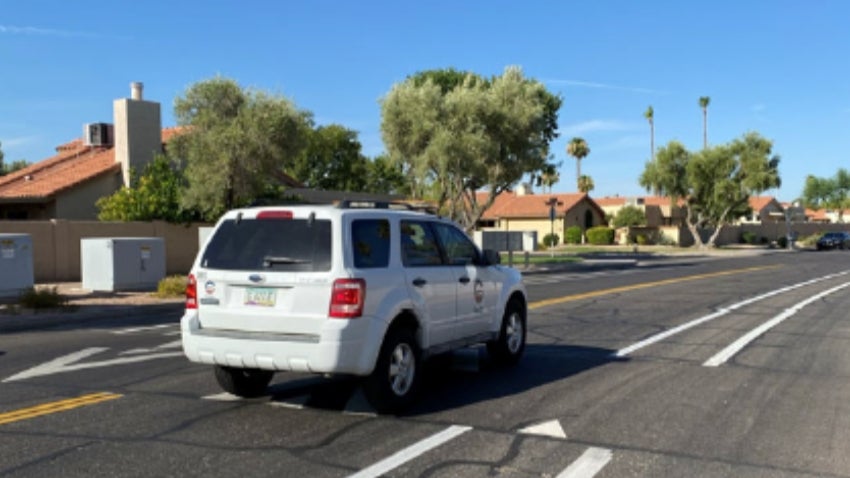
Controlling traffic volumes and speeds on residential streets is crucial for maintaining the safety and tranquility of our neighborhoods. Chandler is committed to working with residents to implement effective traffic calming measures and ensure a safe community for all.
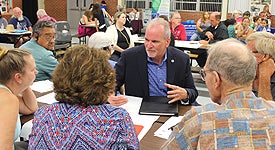
Neighborhood involvement is crucial in the implementation of traffic calming measures. Whether it’s addressing speeding concerns or reducing traffic volumes, your input is essential in making our streets safer.
Traffic Calming Processing
- Request Traffic Calming: Residents can initiate the process by submitting a request. The city will evaluate the need based on specific criteria and neighborhood involvement.
- Evaluation Process: Each request is assessed based on factors like traffic volume, speed, road classification, and residential density. The city’s traffic engineering team will suggest the most appropriate measures.
- Neighborhood Petitions: For traffic calming measures to be implemented a petition of the affected residents is required. This ensures that the community supports the proposed changes.
Traffic Monitoring Tactics
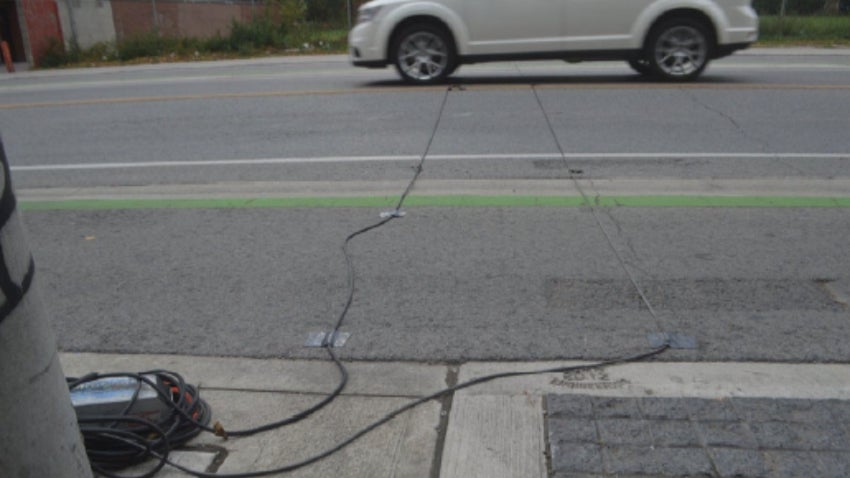
- Traffic Counts: Chandler uses advanced video cameras and road tube sensors to conduct annual traffic counts, ensuring that we stay informed about changing traffic patterns.
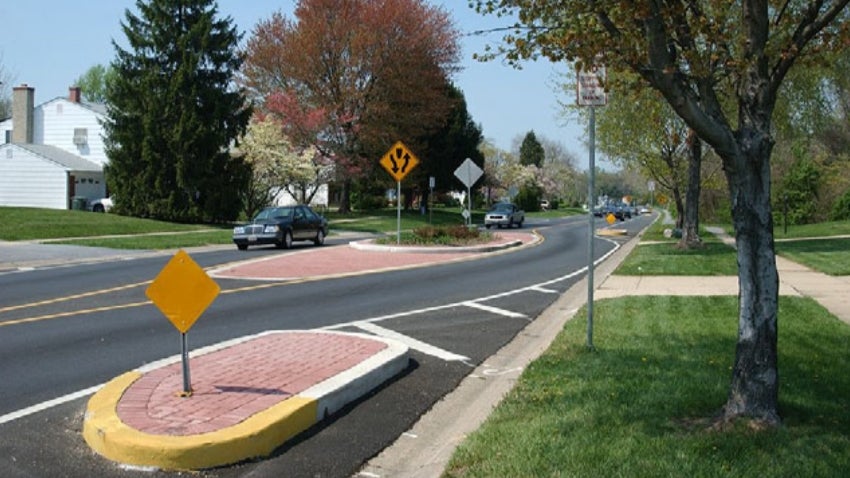
- Traffic Calming Tools: Speed humps, traffic circles, and chicanes are just a few of the traffic calming measures used to slow down or minimize traffic in residential areas.
- Community Involvement: Your input is key to identifying and solving traffic issues in your neighborhood. Working together, we can make Chandler’s streets safer for everyone.
Traffic Data Collection
Have you ever wondered what those rubber tubes stretched across the road are for? These tubes, known as pneumatic road tubes, are important tools that help us collect traffic data. Here's how they work:
- When a car drives over the tube, it squishes the air inside, sending a little puff of air to a sensor. That sensor records every car that passes by.
- We can count how many cars go by, figure out how fast they're going, and even see if they turn left or right at intersections.
- This data helps us make our roads safer and smoother by letting us know where and when the most cars are on the road.
- So, next time you see those tubes, you'll know they’re hard at work, helping us understand traffic patterns and improve our daily drives.
Understanding Traffic Volumes
Traffic volumes represent the number of vehicles passing through a specific intersection or road segment during an average weekday. Monitoring these volumes helps the city make informed decisions about traffic management and road safety.
Chandler uses video cameras and road tube sensors to gather accurate traffic data throughout the year. Video detection is used for daily monitoring, while road tubes are deployed for detailed traffic studies.
Traffic Volumes by Year
Road Classifications
Roads are classified based on how they’re used. Each type of road has a specific purpose to help manage traffic flow efficiently and safely. Here’s a quick guide to the main road classifications.
Arterial Roads
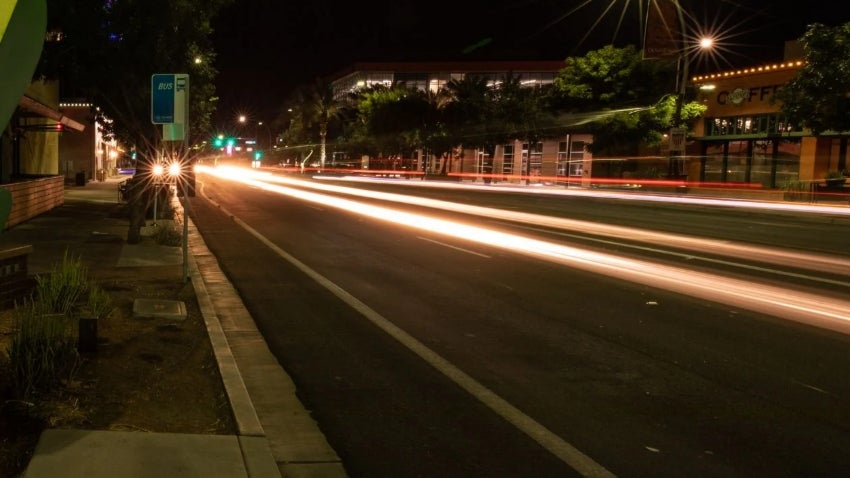
These major roads link highways to local streets.
They carry large volumes of traffic and are essential for getting around town, whether you’re heading to work or running errands.
Collector Roads
These roads collect traffic from local streets and direct it to arterial roads.
They’re often found in neighborhoods, connecting you to the larger road network.
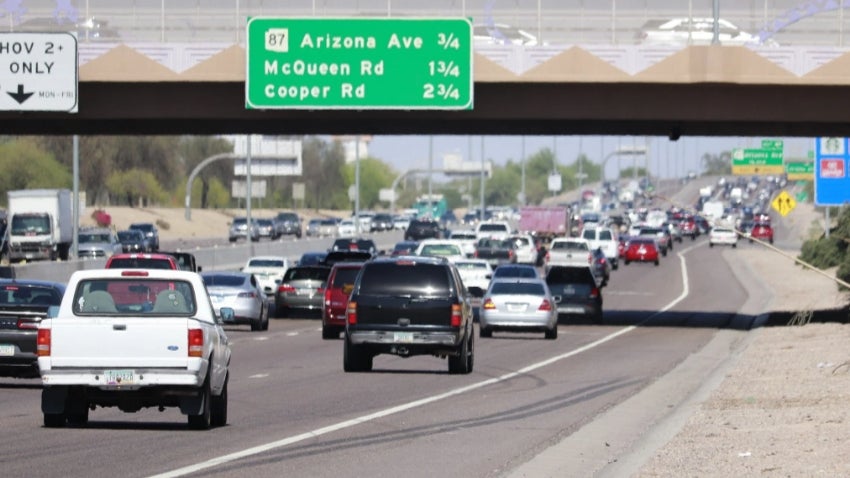
Freeways
These are the fastest roads, designed for long-distance travel with minimal stops.
They connect cities and major regions, helping you cover a lot of ground quickly.
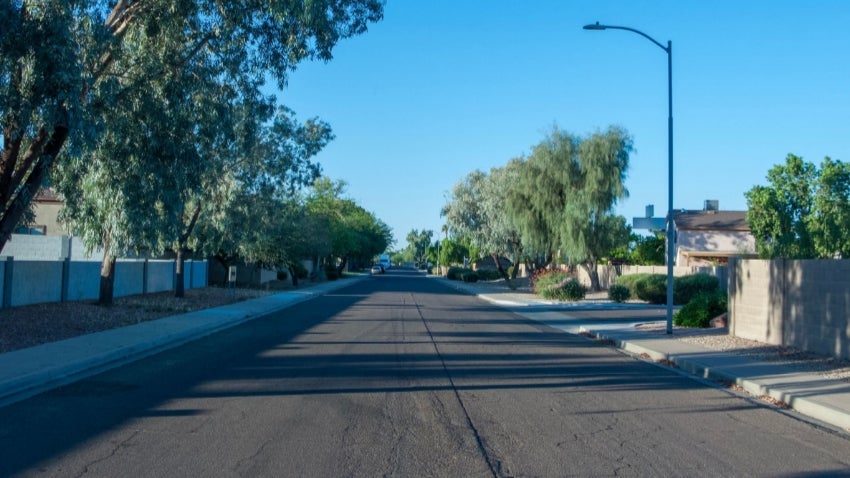
Local Streets
These are the roads where you live.
They’re designed for low speeds and light traffic, making them safe and comfortable for residential areas.