



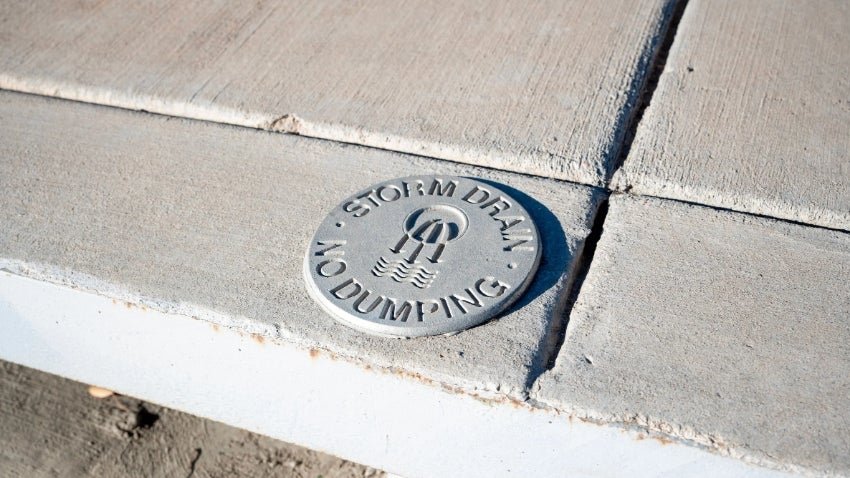
What is stormwater? Stormwater is runoff, and surface flows are generated from rainfall events.
The city's Stormwater Program helps educate the community on environmental regulations. Chandler works with state and federal regulators to make sure residents understand the effects of stormwater drainage and how to reduce pollutants in the storm drain system.
The city offers free presentations about stormwater pollution prevention for schools, community groups, homeowners and neighborhood associations.
Report flooding, stormwater issues, illicit dumping/discharge, standing water or pool drainage.




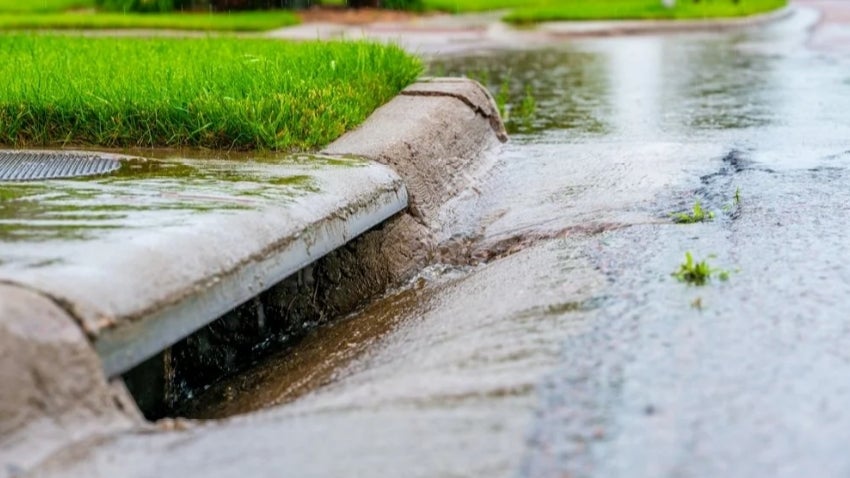
Stormwater Runoff
When it rains, stormwater runs along impervious surfaces like sidewalks, roads, rooftops and yards. This is called stormwater runoff.
Stormwater runoff and everything that it picks up along the way goes into the storm drain. Storm drains are meant to prevent flooding in the streets.
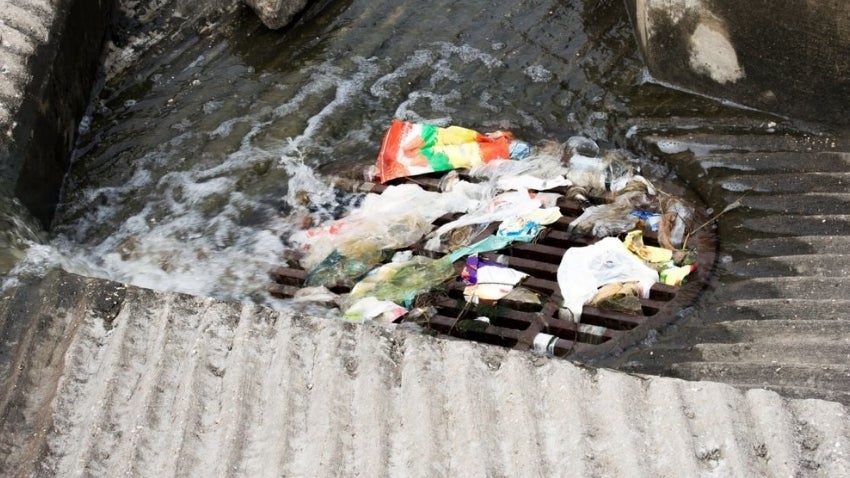
Stormwater Pollution
After it goes into the storm drain the water travels in the pipes. Some pollutants like grease and oil can stick to the pipes in the stormwater sewage system. Trash, leaves, and other debris can clog the drain system and cause flooding.
All the pollutants add nutrients, chemicals and bacteria that pollute water ways and impact water quality. The water eventually makes its way into our retention basins, washes, community parks and eventually into our drinking water.
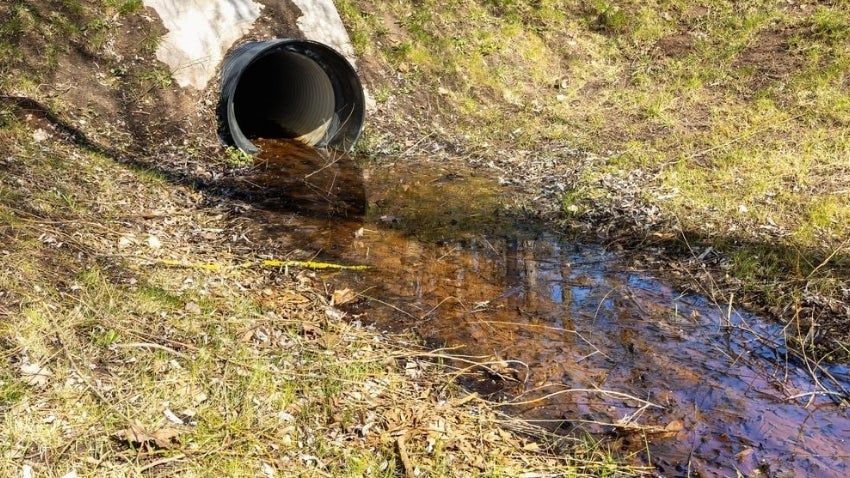
Stormwater Drainage
Unlike our sanitary sewage system, stormwater does not get treated at a water treatment plant. Anything that travels in the water ends up back into our community.
Pollutants can cause bacteria, algae growth, and flooding in our streets. That’s why it’s important for us to pay attention and make sure only rain is in the storm drain.
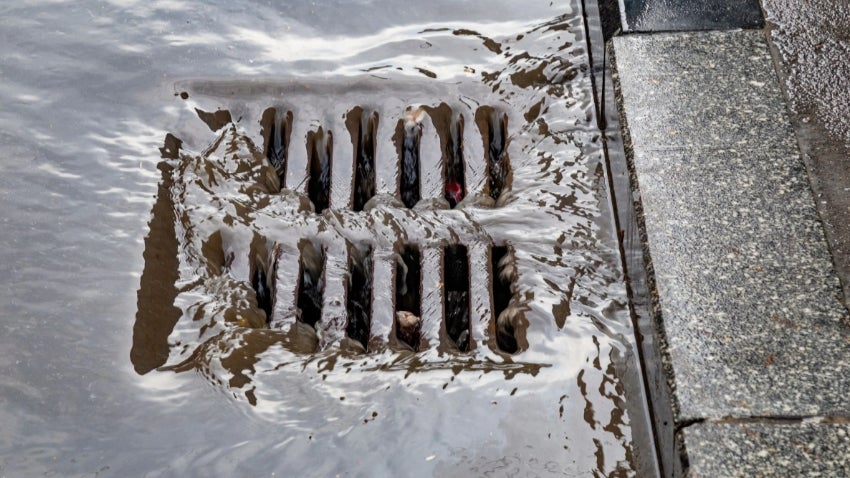
Stormwater
Sewer System
The storm water sewage system is designed to collect and transport rainwater and surface runoff from streets, parking lots, rooftops, and other outdoor areas. This system helps prevent flooding by directing excess water through storm drains, pipes, ditches, and retention basins to nearby rivers, lakes, or treatment areas.
Unlike sanitary sewer systems, storm water systems generally do not treat the water before it is discharged, which is why keeping pollutants such as oil, grease, trash, and chemicals out of storm drains is important for protecting the environment and local waterways.
Sanitary
Sewer System
The sanitary sewer system is a separate underground piping network that carries wastewater from homes, businesses, and industrial facilities to a wastewater treatment plant. This wastewater includes water from sinks, toilets, showers, washing machines, and other plumbing fixtures.
At the treatment plant, the sewage undergoes several cleaning and treatment processes to remove harmful contaminants, bacteria, and solids before the treated water is safely released back into the environment.
- Pesticides and Herbicides - Improper application or overuse can allow these chemicals to wash into storm drains during irrigation or a rain event.
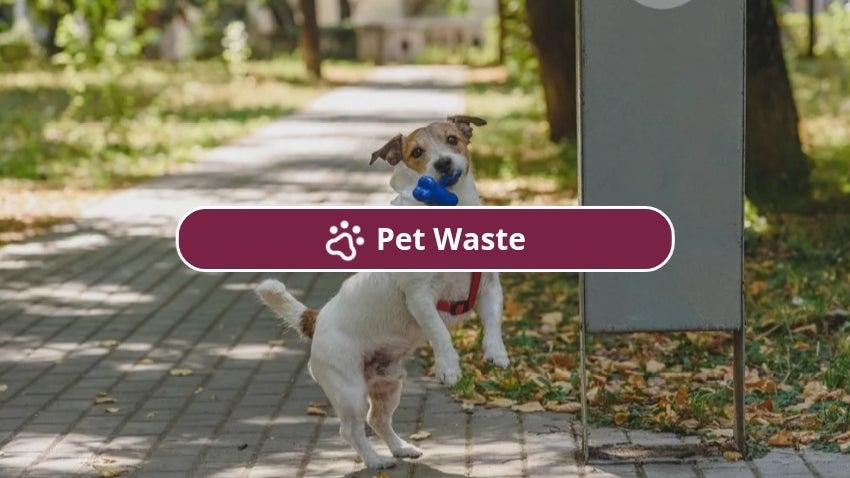
- Pet Waste - Pet waste contains bacteria and nutrients that can pollute waterways and impact water quality.
- Pool Water Drainage - When not properly drained, pool water ends up in the storm drain. The chemicals that are in pool water are prohibited from entering the storm drain.
- Sediment - Sediment is the most common pollutant. It causes cloudy water, harms aquatic life and clogs the storm drain.
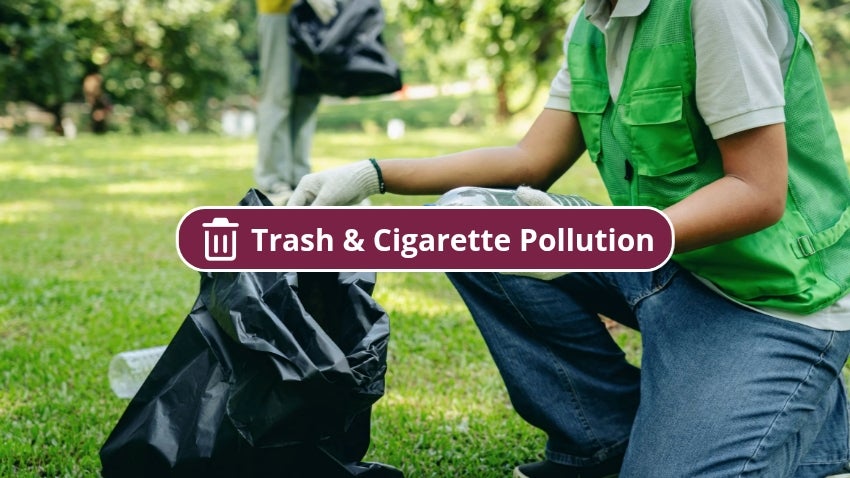
- Trash/Cigarettes - Trash clutters our streets and is bad for the environment. Wildlife can get entangled or ingest it. When it makes its way into the storm drain it travels back into our communities.
- Vehicle Fluids - When washing your car at home, grease, oil, and toxic cleaner, can make its way down the storm drain. This can cause build-up in the pipes.
- Yard Clippings - When not disposed of yard clippings can be swept into the storm drain. This can cause flooding, especially during a storm.
Resources for Municipalities
- Stormwater Outreach for Regional Municipalities
- Chandler City Code - The city has a couple of chapters in the City Codes that address discharges of pollutants into the storm drain system. For more information, review the code in chapters 30 and 45.
- Arizona Department of Environmental Quality - Stormwater Permitting
- Maricopa County Flood Control District
Resources for the Construction Industry
- Resources for Stormwater Pollution Prevention for the Construction Industry
- What to Expect During an MS4 Construction Inspection
Resources for Industrial Facilities
- Arizona Department of Environmental Quality Mining Multi-Sector General Permit Requirements
- Arizona Department of Environmental Quality Non-Mining Multi-Sector General Permit Requirements